
We Put Students in Front of Credit Union Leaders. Here’s What They Said.
-
by
Laura Gibson-Lamothe
- No Comments on We Put Students in Front of Credit Union Leaders. Here’s What They Said.
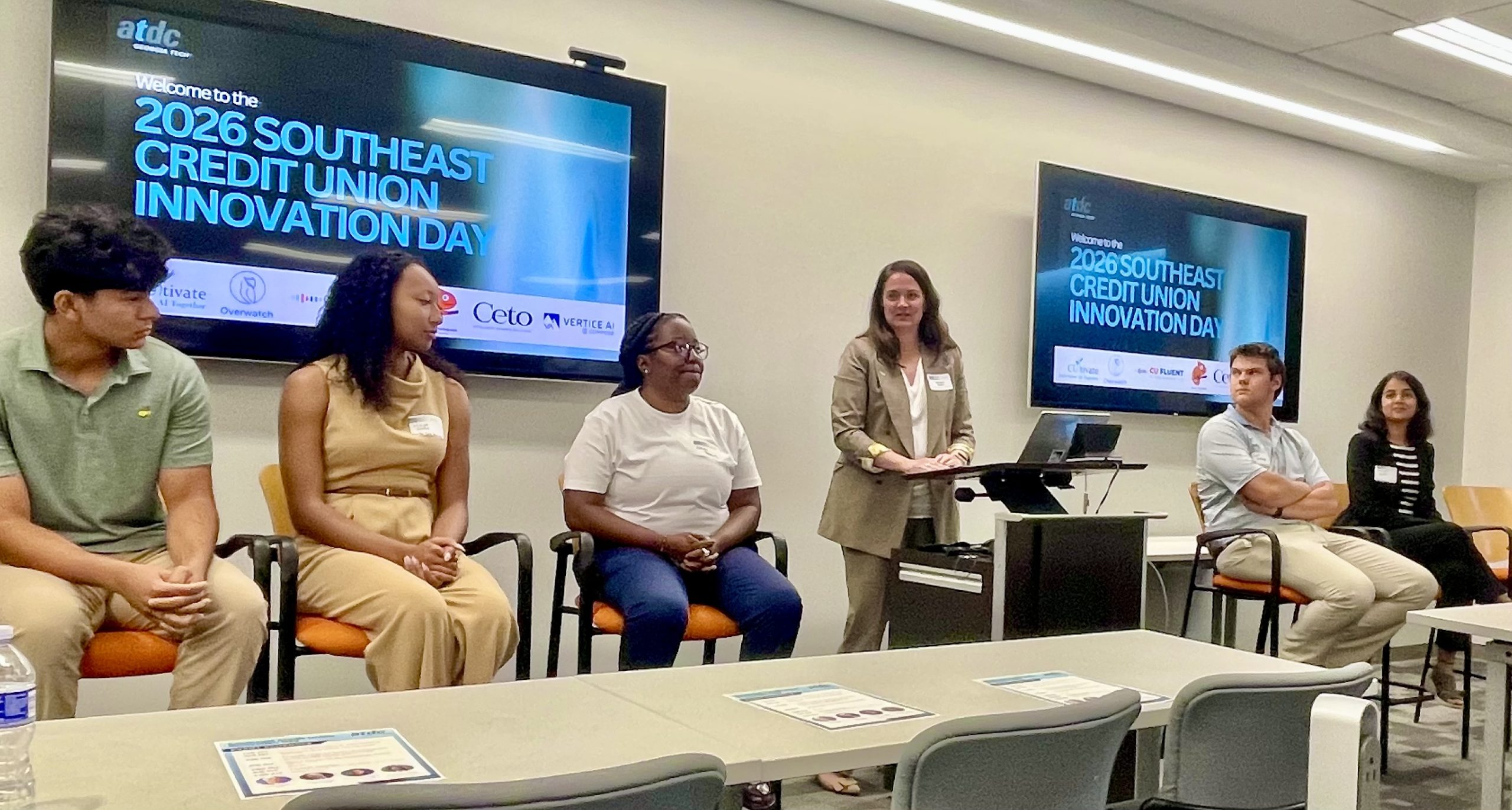
The insights below were captured during the 3rd Annual Southeast Credit Union Innovation Day, held on April 22, 2026, at the ATDC at Georgia Tech in Atlanta.
At a recent credit union event, during a panel moderated by Brandee Bickle, Senior Vice President of Strategy & Governmental Affairs at Georgia’s Own Credit Union, we did something simple but often overlooked.
We put students directly in front of industry leaders and listened.
Not through surveys.
Not through secondhand research.
But in real time, in the room.
What came out of that conversation wasn’t just interesting. It was clarifying.
Because the gap between how institutions think young consumers behave and how they actually operate is still wider than most realize.

Access Isn’t Solved
One student shared that she had to travel to find a branch just to deposit cash.
We talk about digital transformation as if it has fully replaced physical access. It hasn’t.
Digital-first does not mean access is solved. It means expectations are higher when physical interaction is required.

Speed Is Trust
When asked about payment preferences, students consistently pointed to Zelle.
Not because of brand loyalty, but because of immediacy.
“I don’t have to wait for my money.”
That’s the bar.
Speed is no longer a feature. It is a proxy for trust.

They’re Not Asking for Tools. They’re Asking for Direction
The most telling comment from the panel:
“I want a financial GPS. Tell me about needs and opportunities early enough so I can take action.”
That’s not a request for better dashboards or more education.
It’s a request for anticipation.
Most institutions are still focused on showing customers where they are.
This generation is asking for help understanding where they’re going and what to do next.
You Don’t Have the Right Voices in the Room
One student put it plainly:
“You’re lacking the fresh ears on your teams to know how to reach us.”
This isn’t a marketing issue. It’s a perspective issue.
If the people building products and experiences don’t reflect the behaviors of the end user, the gap will persist regardless of how much technology is layered on top.
Behavior Is Still Human
Despite low interest in cash, several students shared they still keep a $20 bill on hand.
Why?
“Because my mom taught me to.”
Even in a digital-first world, financial behavior is still shaped by habit, trust, and upbringing.
A Final Thought
We spend a lot of time talking about the future of financial services.
But the future is already in the room.
When given the opportunity, these students didn’t ask for more features. They asked for clarity, speed, and guidance.
Most institutions are still building better tools.
They’re asking for something else entirely.
Direction.
Recognizing the Voices in the Room
This conversation was shaped by an incredible group of student participants representing the next generation of fintech talent:
- Aleah Brown — Graduate Student (Finance), Kennesaw State University
- Neha Jain — Graduate Student (Finance/FinTech), Georgia State University
- Maya Pollen — Junior (Business Management/Business Analytics)
- Luke Rutledge — High School Senior
- Evan Mamun — Junior, Georgia Institute of Technology
We’re also grateful for the industry leaders who helped guide the discussion:
- Mitch Rutledge, Vertice AI, Inc.
- Brandee Bickle, Georgia’s Own Credit Union
- Glen Sarvady, 154 Advisors
Why This Matters
At the Georgia Fintech Academy, we believe access to next-generation talent isn’t just a workforce strategy.
It’s a market intelligence advantage.
And the institutions that choose to listen directly will move faster than those relying on assumptions.